Why Businesses Fail After Storm Events
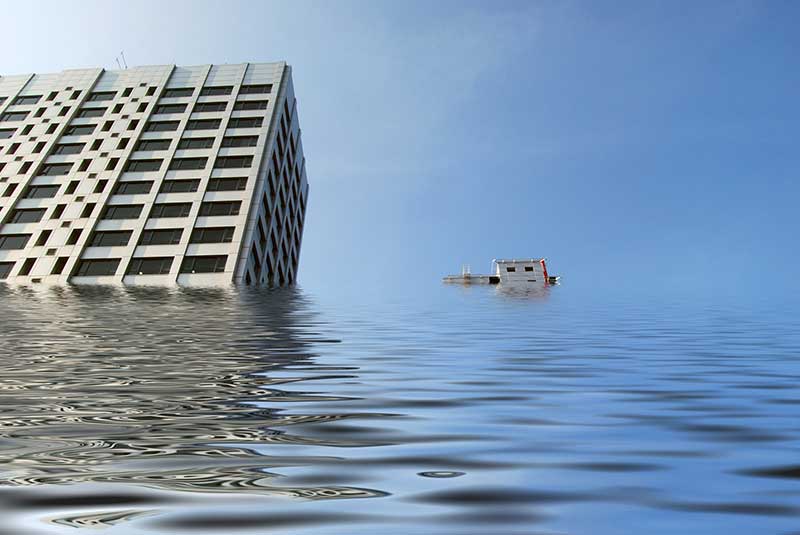
Every year, businesses close their doors permanently following hurricanes, floods, and other severe weather events. While physical damage is often the most visible consequence, the real cause of failure is usually a lack of preparation. Companies that survive and recover quickly typically have plans, resources, and systems in place long before the storm arrives.
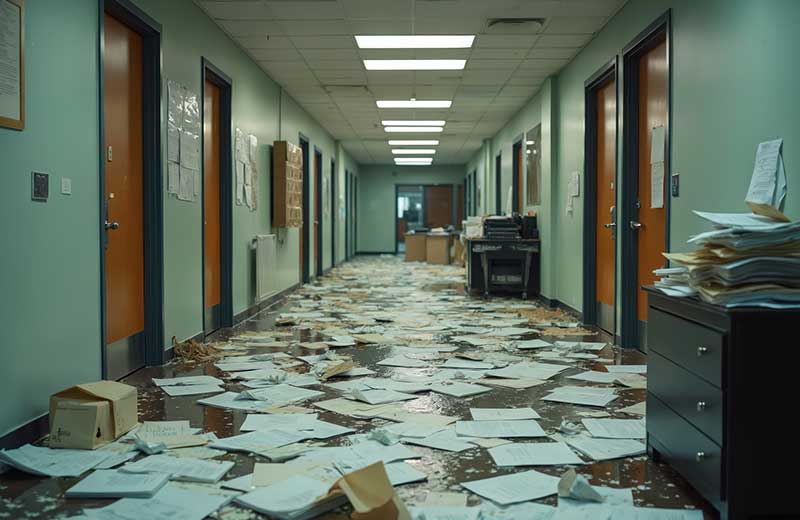
Without a business continuity strategy, even a temporary disruption can create lasting financial hardship. Communication systems fail, employees become displaced, infrastructure is damaged, and operations grind to a halt. Combined with inadequate insurance coverage and limited emergency reserves, many businesses struggle to reopen, losing customers, revenue, and market share to competitors that were better prepared.
The Weather Ready Business Framework
Severe weather events can disrupt operations, damage property, and impact revenue with little warning. The businesses that recover fastest are those that have a clear plan for what to do before, during, and after a storm. The Weather Ready Business Framework provides a practical roadmap to help organizations protect their people, assets, and operations while minimizing downtime and financial loss.
Preparedness is not just about surviving a storm—it’s about maintaining business continuity and creating resilience. By planning ahead, responding effectively during an event, and implementing a structured recovery strategy afterward, businesses can reduce risk and return to normal operations more quickly.
Key Components of Physical Resilience
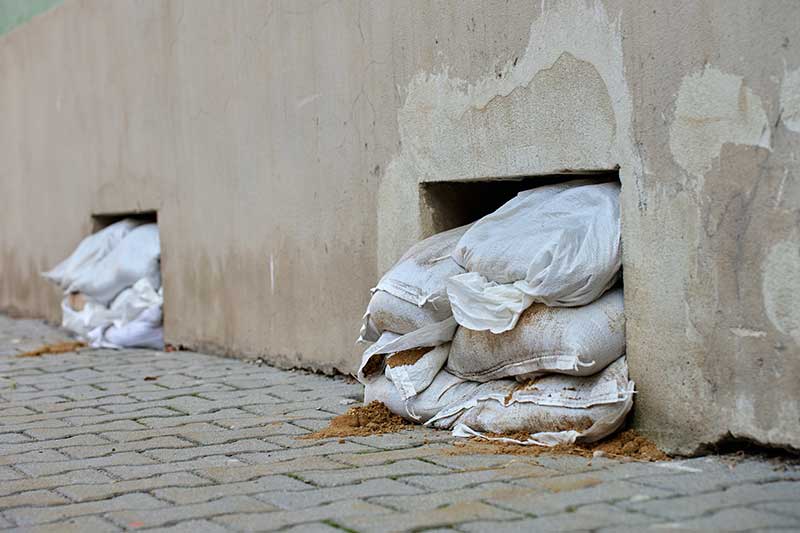
Flood mitigation and physical resilience are essential for protecting homes, businesses, and investment properties in flood-prone and coastal regions. Effective strategies such as flood vent installation, wet and dry flood proofing, elevation improvements, drainage solutions, erosion control, and wind-resistant construction can significantly reduce storm damage, lower recovery costs, and improve long-term property value. Strengthening structures before a storm strikes helps protect against flooding, hurricanes, and severe weather while reducing disruptions to daily life and business operations.
Equally important is protecting the critical systems that keep a property functioning. Elevating HVAC equipment, safeguarding electrical and communication infrastructure, securing emergency power systems, and protecting inventory and equipment can help prevent costly outages and damage. A well-planned re-entry strategy—including damage assessments, safety inspections, restoration priorities, and contractor coordination—ensures a faster, safer return to normal operations after a storm event.

Financial Survival
A major storm can damage more than buildings—it can threaten the financial stability of an entire business. Even companies that avoid significant physical damage may struggle with lost revenue, unexpected expenses, and extended downtime. Financial resilience is a critical component of storm preparedness and business continuity.
By understanding insurance coverage, planning for deductibles, protecting cash flow, and preparing for operational interruptions, businesses can improve their ability to weather a disaster and recover more quickly. Proper planning before a storm can make the difference between a temporary setback and a long-term financial crisis.
Communication & Continuity
When a storm disrupts normal operations, communication becomes one of the most valuable assets a business has. Employees need accurate information, customers need updates, and critical systems must remain operational. Without a communication and continuity plan, confusion can spread quickly, resulting in lost productivity, damaged customer relationships, and unnecessary financial losses.
A strong communication strategy ensures that businesses can maintain operations, coordinate recovery efforts, and continue serving customers during and after a storm event. By protecting critical technology and establishing backup systems, organizations can remain resilient even when normal infrastructure is compromised.